Avoid These Common Mistakes: Golf Fitness Edition
As a golf-specific fitness coach, I understand the importance of physical conditioning for improving performance on the golf course. However, many people make mistakes when it comes to golf fitness, hindering their progress and potentially leading to injuries. In this article, we will explore the biggest mistakes people make in their golf fitness journey and provide insights on how to avoid them. By steering clear of these pitfalls, you can maximise your potential and take your golf game to the next level.
1. Neglecting Flexibility and Mobility:
One of the most common mistakes golfers make is neglecting flexibility and mobility training. Golf requires a wide range of motion and proper body mechanics. Failing to prioritise stretching exercises and mobility drills can lead to restricted movements, decreased power, and increased risk of injury. Incorporate dynamic warm-up routines and regular stretching exercises to improve your flexibility and maintain optimal mobility.
2. Overlooking Core Strength:
A strong core is essential for generating power and maintaining stability in your golf swing. Unfortunately, many golfers overlook core strength training in their fitness routines. Neglecting core exercises can result in a lack of control, reduced distance, and increased strain on other muscles. Include exercises such as planks, Russian twists, and medicine ball rotations to strengthen your core and improve your overall golf performance.
3. Ignoring Balance and Stability:
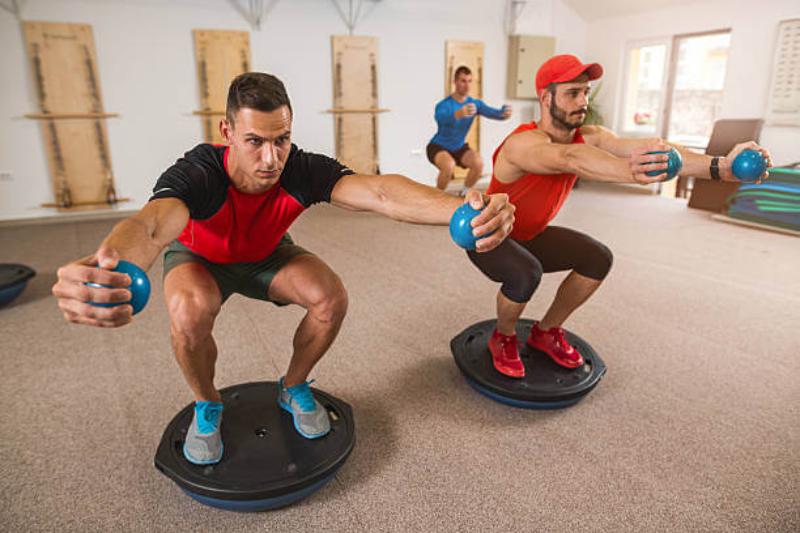
Balance and stability are crucial for maintaining control and consistency in your golf swing. However, many golfers fail to address these aspects in their fitness training. Incorporating exercises that challenge your balance, such as single-leg squat variations or stability ball exercises, can help improve your stability on the course and prevent unnecessary swing compensations.
4. Lack of Specificity in Training:
Golf is a unique sport that requires specific movements and muscle activation patterns. Generic fitness routines may not address the specific needs of golfers. Avoid the mistake of following a one-size-fits-all approach to fitness training. Instead, work with a golf-specific fitness coach who can design a training program tailored to your individual needs and goals. This will ensure that you are targeting the right muscles and movements to enhance your golf performance.
5. Overtraining and Inadequate Recovery:
While it’s important to put in the effort and dedication to improve your golf fitness, overtraining can be counterproductive. Many golfers make the mistake of pushing themselves too hard without allowing adequate time for recovery. Overtraining can lead to fatigue, decreased performance, and increased risk of injury. Incorporate rest days into your training schedule and prioritise recovery strategies such as proper nutrition, sleep, and active recovery exercises to optimise your golf fitness journey.
Conclusion:
Avoiding these common mistakes in golf fitness can significantly impact your performance and overall enjoyment of the game. By prioritising flexibility and mobility, focusing on core strength and stability, tailoring your training to golf-specific needs, and allowing for proper recovery, you can enhance your golf fitness journey and achieve your goals on the course. Remember, investing in your physical conditioning is just as important as honing your swing technique when it comes to becoming a successful golfer.